
Pets are animals kept by humans for pleasure or companionship. Sometimes the relationship can be described as symbiotic in nature when the benefits accrue both to the human and the animal.
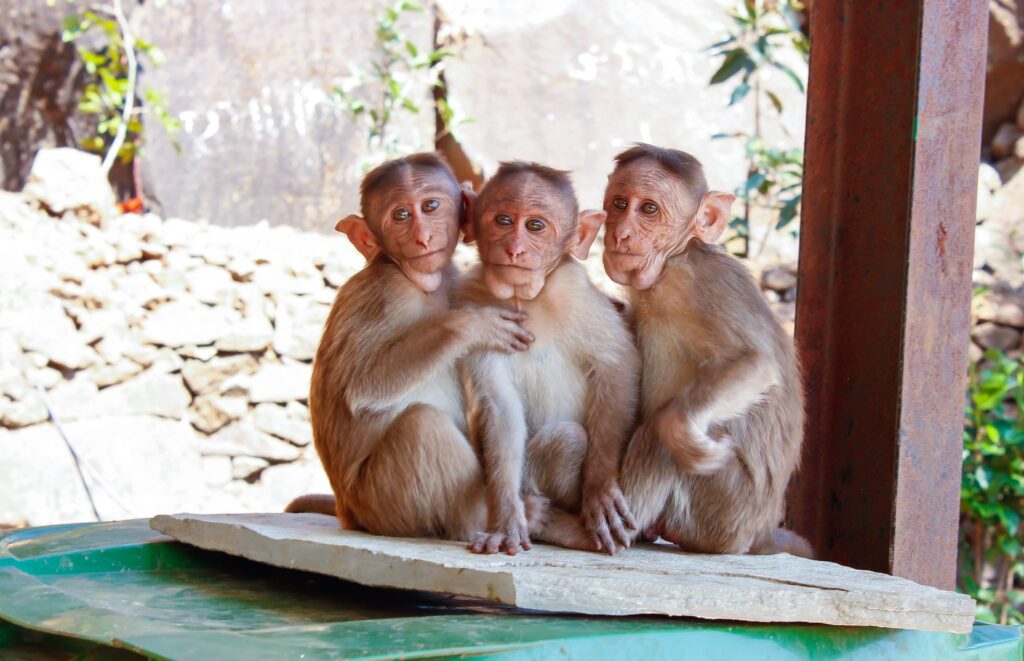
Humanity sometimes can get abit experimental and the thought of having a wildlife (animals in the wild) as pet may sound cool if not amazing. If that thought crosses your mind it’s time to re-examine your thoughts clearly. Creatures like panthers, pythons, monkeys, lizards etc. have been targeted by human for domestication but in the end the relationship ends in premium tears. People have spent millions of dollars to buy leopards cubs, bears, lions, snakes only for the animals to kill the “owner” or the animal ending up with nutritional deficiencies or death. The following are the reasons why wildlife should never be a pet
They can infect you with a nasty bug
The narrative has been Covid-19 jumped from wildlife to humans through livestock is almost a confirmed hypothesis. Nearly 75% of all the emerging infectious diseases to human are from wildlife including SERS, EBOLA and MERS. Exotic pets are contributing about 35% of the zoonotic diseases to humanity1. Lizards are 90% likely to be carrier of salmonellosis2.
Our pets are also vulnerable to infections from the wild animals. For example, distemper is huge problem from wild canines and felines to our domesticated dogs and cats. The reason is simple wild animals are rarely vaccinated against such diseases as our pets do. Most the time they may also be carriers of disease strains which are not covered by the vaccines used by our pets and this can result to devastating infections.
Human rabies is one of the viral diseases that has caused havoc in humanity even those who strictly keep dogs and cats as pet. Your chances of contracting rabies while keeping wildlife as pet are higher as those animals are rarely taken to the veterinarian for check up or vaccinations. They can contract the disease from flying bats while in their cages and as a result transmit it to you. With all these nasty infectious it would be logical to avoid wildlife as pets
They can make you their prey or attack you
Born free USA has reported 1500 attacks and 75 human deaths from the so called wildlife pets2. It took 10000 to 15000 years to domesticate cats, dogs and livestock therefore it would be very naïve to think that you can domesticate a wild animal overnight. Wild animals remain wild even though you might capture them when young enough and nurture them to adult. This animal still maintains their prey target instincts and once they grow large enough its possible for you to be in their menu list. These can lead to attacks or human deaths.
Accidental break outs of these animals sometimes happen, and they can be a real danger to the public who are not aware of the loose wild animals. As they are freighted and stressed, they can become extremely aggressive and progressive attacks may ensue. Most of the time the wildlife departments end up euthanizing them humanely to protect the public which Is always a controversial action to take. Some lucky ones are captured and reunited with the other wild animals after gradual socialization.
You will make them endangered and possibly extinct
Captive wild animals find it difficult to breed. This can be a contributing factor in loose of genetic variation hence threatened by extinction3. The demand for exotic pet has been fueled by social media. People are posting wildlife animals in their care and showing off how cute the act is. In real sense wild animals though they are cute, they are more stressed under the care of humans. Social media has facilitated the exotic pet trafficking which include tortoise, parrots among others. Next time you see this act of selfishness be kind by not sharing such content4.
The curiosity of keeping wildlife pets has also made humanity to take it further and consume their meat in the believe that some of the body parts of the wildlife animals have medicinal value for example the rhino horn, pangolin, and elephant task. This kind of cultural believes has fueled wildlife suffering through poaching and illegal trade throughout the world
Most of them are illegal to keep
Most states and countries have banned the keeping of wildlife as pets. The ban has become stricter after the recent pandemic of covid-19. Zoos or wildlife hospitals are only allowed to take care of sick wildlife only when they have proper permits and licenses. Personal ownership is heavily regulated though some people are lucky to acquire such licenses. If wild animal attacks somebody while handling it, you may face punitive measures or take responsibility for any damage done by the animals under your care.
The wild animals have developed to be free in the wild expressing their normal behavior. They have unique behaviors, habitat and diet requirements which humanity have not invested a lot to study or research on. Its for this reason a wild animal belongs to the wild. No matter how fancy or good the cage or captivity pen is humans can never replicate the wild set up for the animals out there. Therefore, we should at all cost desist from keeping wild animals as pet. In case you find injured wild animals or neglected young ones call your local animal hospitals or wildlife department in your country for assistant. Helping that animals though well meaning can lead to diseases infection or attacks
They can make you more stressed
Pets are supposed to be companion animals. When they are stressed, we are likely to become stressed as well. Most captive wildlife pets will not eat well as they are depressed due to confinement and most of the times the diet is not adequate to provide the necessary nutritional value it needs. Most of the time they may pace around the cage looking for an escape root and will spend very little time eating. Secondly, the food you provide will never be a replacement of the natural wild diet they get out there in terms of texture and palatability even the smell, as a result the animals may become malnutritioned and suffer multisystemic problems. Once people notice this, they will try harder to make the wildlife animal more comfortable and happier yet end up with frustrations as their efforts will likely be in vain. Most people get stressed and depressed since their efforts to care will yield no results. They may feel guilty of why they even captured the animal or bought it home. The worse may happen If the animal dies under their care and they may put the whole blame on themselves or they may feel like they didn’t do enough for the animals to survive. Such feeling may make people to judge themselves harshly.
It’s advisable if you find yourself in such situation you may need to seek professional counselling but the most important thing to do is to surrender the animals to the wildlife department of your country or the relevant department within your city or town
Keeping wildlife as pet is in violation of five freedoms of animal welfare
Keeping wildlife as pets typically violets the following five freedoms of animal welfare5,
- Freedom from hunger and thirst-remember the water you provide might be chlorinated or treated and the animal may not be accustomed to that. The same applies to food which will never match the natural food in the wild
- Freedom to express normal and natural behavior- due to caging the animal has time to express its natural behaviors
- Freedom from fear and distress-wild animals are typically scared and frightened by human activities therefore, the animals will be in serious distress since they are closer to humans
- Freedom from injury and disease-due to stress their immune system is likely to compromised as become sick. They may also exhibit self-mutilation behavior due to stress
- Freedom from discomfort- caging is very uncomfortable to the wild animals as they are not used to it
References
1. Wildlife. Not Pets. | World Animal Protection. Accessed August 29, 2021. https://www.worldanimalprotection.ca/our-work/animals-wild/wildlife-not-pets
2. Staff LS. Owning Wild Animals: Stats on Exotic Pets (Infographic). livescience.com. Published November 2, 2011. Accessed August 29, 2021. https://www.livescience.com/16815-exotic-pets-wildlife-infographic.html
3. endangered species | National Geographic Society. Accessed August 29, 2021. https://www.nationalgeographic.org/encyclopedia/endangered-species/
4. Don’t be fooled by social media—wild animals make terrible pets. Animals. Published January 30, 2019. Accessed August 29, 2021. https://www.nationalgeographic.com/animals/article/cute-wild-animals-make-terrible-pets
5. Five Freedoms: the gold standard of animal welfare. American Humane. Accessed August 29, 2021. https://www.americanhumane.org/blog/five-freedoms-the-gold-standard-of-animal-welfare/