
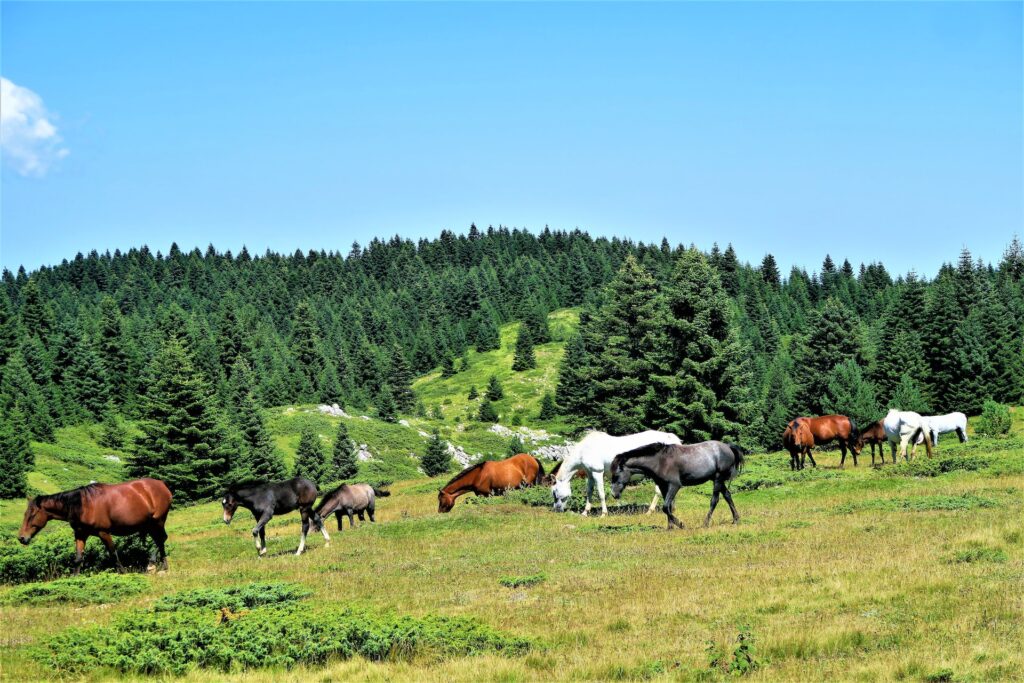
Colic is basically abdominal (belly) pain in horses. The pain can range from mild to life threatening. The term colic is a symptom rather than a diagnosis as there many factors associated with colic in horses. The recovery rates are determined by several factors as well including the type of colic and the urgency of the intervention. Colic may be caused by simple maldigestion resulting from change of routine or diet. This can lead to digestive upset or twisting of part of intestines which leads to strangulation of blood supply. Feed impaction or displacement of part intestines, torsion and herniation through loose abdominal muscles will all cause mild or severe abdominal pain1. Colic is unpredictable hence making its prevention difficult. However, there are certain activities if done correctly you can significantly reduce the chances of your horse getting colic.
1. Keep routine and avoid sudden management changes
In any stable management there are activities done daily, weekly or monthly for health and well-being of the horse/s. These activities may include feeding the horses morning and evening, exercising the horse by riding, walking or longeing, Provision of water and cleaning the barns. These activities should be maintained in a routine and any changes must be introduced gradually. For example, strenuous exercises can be introduced for a few hours and increase the hours as the training progresses in a week. Any attempt to interrupt the feeding routine of morning and evening for whatever reasons should be planned for and managed gradually until the required feeding times are achieved.
2. Keep routine diet or adapt gradual change
Horses require a specific diet to satisfy energy requirements for maintenance of its physiological processes, growth, gestation and lactation if pregnant, exercises/walking. In addition to energy they will require salts, protein, calcium, phosphorous, vitamins A, D, E. These requirements in most cases are fulfilled by feeding horses hay, supplements, grains and pellets where applicable. Some feedstuff may be seasonal or probably not available in the market requiring alternative feedstuff use. In this case well thought introduction of the new feed is important to reduce the chances of colic to your horse. Introducing the feed slowly over a period of 10 days may be a good idea. Feed horses at least 2 hours after or before exercise.
3. Avoid bedding your sick horse on straw
Horses may require confinement at some point in their life to allow healing incases of sickness for example injuries. The confinements may take weeks and sometimes even months. The experience of confinement for healing can be frustrating to the owner and the horse. Paddocked horses are more likely to be stressed when confined in a small area. Using straw during confinement period as the bedding may increase chances of colic as the horse may result to eating dirty straw leading to impaction. Use of non-eatable materials for example wood shavings is advisable. During the confinement period less of protein should be feed and more of the roughage.
4. Provide fresh clean water At will(ad-libtum)
Horses can take approximately 20 to 60 litres per day depending on the season, activity levels and the diet. Clean Water should be provided at the stable and in the field. Water buckets at the stable may be made of plastic or polythene and situated in one of the corners. These buckets should be cleaned, and water changed regularly. Automatic water dispensers may be used but should be monitored as it’s not easy to estimate the amount of water the horse has taken. Water provision in the field may be supplied in a water trough. Water raised taps should be avoided as they may cause injuries to the horses. Water from the streams or natural water on the ground should be used with caution as its not easy to control the quality. Streams with sand and gravel may subject the horse to sand colic. Lastly, limit the amount water after exercise and provide enough water after they relax from exercise
5. Regularly worm your horse
Worms infestation will damage the walls of the intestines and subsequently blood vessels compromising the integrity of the digestive system. High level of worm load can also lead to obstruction and impaction. Depending on whether you’re in temperate on tropical countries horses should dewormed at least twice a year. Your consult with your local veterinarian to work out a deworming programme for your based on regional worm prevalence. Round worms, tapeworms, small red worm and Bot treatment should be considered in the worming programme development. Strategic deworming should be supervised by your veterinarian especially if you have not been deworming your horses so regularly. Deworming high worm load horse may lead to death of may worms at once leading to toxin build up or obstruction
6. Float your horse teeth twice a year
Horses have developed to feed to roughage and tough grass. As a results horse tooth erupt though out its lifetime. The horse teeth are generally organized in two sets. The incisors which grasp and tear out feed/grass. And the premolars and molars that grind the feed. Horses chew their feed in circular motion, and these can lead to uneven wearing of the teeth. Some of the teeth will develop sharp edged which can inflict wounds and sores on the horse mouth making it difficult for it to eat properly. Due to this reason horse teeth are supposed to be rasped or floated twice a year to avoid improperly digested feed which lead to maldigestion and or impaction hence colic
7. Monitor horses with history of colic
Horses who have an history of colic are likely to experience it later in their life. Older horses and intact male horses are likely to get severe colic requiring surgical intervention2. Arabian and quarter breed of horses are likely to get strangulating mesenteric lipomas which make them more vulnerable to colic. The earlier the intervention in cases of colic the better the prognosis. Close monitoring of horses with colic history will alert you for quick intervention.
8. Avoid feeding your horse in sandy areas
Sand colic will occur if your horse consumes huge amount of sand. The sand may settle in the gut or in the caecum and may cause impaction. To evaluate if your horse is consuming large amount of sand you may get fresh faces in a plastic bag, add water and stir and let it settle for 20 minutes. If the amount of sand or gravel is more than a teaspoon your horse is likely to be consuming sand.
To avoid horses from consuming sand you should avoid feeding them on the ground rather use hay rack or place the hay on a plastic mat. Avoid hay spillage as well. Horses may be tempted to pick dirty hay. Use of psyllium in the horse diet may act as laxative as well as sticking to the sand and helping it move through digestive system to manure
9. Be careful with pelleted and grain feeds
Horses should not be fed more than 0.5% body weight of grain. Any grain which is not digested at pre-cecal may be available at the caecum causing production of gas due to fermentation which may lead to gas colic. Even though pellets and other processed feeds may facilitate pre-cecal starch gelatinization and increase pre-cecal digestion too much feeding may overturn the benefits to causing colic
10. Use mixed types of pastures
Horses have developed to feed on roughages especially through grazing on the paddocks or free-range fields. Through grazing, which is natural behavior they pick a variety of pastures which provide them with variety of nutritional requirements. If your horses are feed on stable it’s advisable to replicate this natural behavior by getting different roughages for example Rhodes hay, star grass hay, alfalfa etc. make sure the gradual introduction of new feed is always adhered to.
11. Avoid moldy and toxic plants
During storage of hay and feeds molds may develop. The molds may contain high level of aflatoxins which may affect your horse health and may lead to colic. Its therefore advisable to inspect your feed for molds. Toxic weeds may also be harvested in hay. Proper pasture inspection and management is important to eliminate the toxic weeds. You should be keen to note and remove weeds like jimsonweed, wild cherry, Japanese chew red maples, alsike clover, black walnut among others from your pasture
References
1. Reeves MJ, Salman MD, Smith G. Risk factors for equine acute abdominal disease (colic): Results from a multi-center case-control study. Preventive Veterinary Medicine. 1996;26(3-4):285-301. doi:10.1016/0167-5877(95)00551-X
2. Reeves MJ, Gay JM, Hilbert BJ, Morris RS. Association of age, sex and breed factors in acute equine colic: A retrospective study of 320 cases admitted to a veterinary teaching hospital in the U.S.A. Preventive Veterinary Medicine. 1989;7(2):149-160. doi:10.1016/0167-5877(89)90006-8